

Winter Adaptations in the Backcountry Wilderness Area
- haleywhitley3
- Jan 22
- 2 min read

Thinking about settling in for a long winter’s nap? Many animal species that call Colorado home already settled in some time ago! Here in the Backcountry Wilderness Area, there are a multitude of wildlife species: elk, mule deer, coyote, fox, bobcat, mountain lion, black bear, porcupine, insects, lepidoptera (butterflies & moths), bats, and birds ... to name just a few. Not all these animals are adapted to survive winters in our climate. Animals either hibernate or migrate, right? Let’s check out the differences:
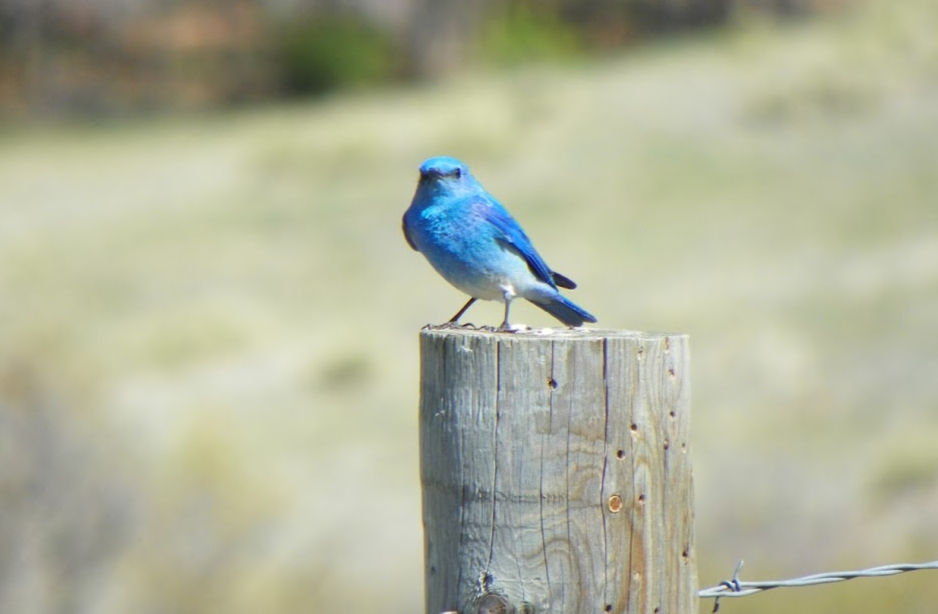
Migration:
Animals travel from one location to another seeking more ideal conditions: warmer weather and larger food supplies. For example, our mountain bluebirds say, “see ya later” in the fall, and head down to New Mexico, Arizona, Texas, and Central Mexico.

Hibernation: In true hibernation, food is consumed, bodies begin to slow, heart rates lower, a cozy den is found, and body temperatures begin to match the ambient temperature. Animals in this state are mostly unresponsive to the happenings around them. Animals like ground squirrels enter this state, and we won’t see our little friends again until Spring.

Torpor: Torpor is a semi-sleep, where an animal's body is not fully at rest. Animals in torpor may sleep for a few days, but may still need to get up for an occasional snack. It is a common misconception that all bears enter a hibernation period. With mild winters in the Backcountry Wilderness Area, our black bears are still fairly active. Skunks and bats also fall into this category of rest in our area.
Brumation: Brumation is the type of sleep reptiles and amphibians enter over winter. Oftentimes, these animals burrow underground and lower their heart rate and body temperature to make food and oxygen less necessary. Our bull snakes and rattlesnakes enter brumation, and we’ll see them again in late spring or early summer.

These animals may be in a state of rest, and it is important to respect their space. Disruptions to their overwintering cycles can have deadly consequences for our animal friends. Still interested in catching a glimpse of our Backcountry Wilderness Area wildlife? Join us throughout the year for our Nature and Bird Walks, Turkey Treks, and Elk Bugling Hikes! You’ll be guided through portions of the Backcountry Wilderness Area that are inaccessible to the public and gain an insightful perspective from a Naturalist.

Christy Farrell is the Environmental Education Coordinator for the Backcountry Wilderness Area. With a passion for both sharing and immersing herself in the wonders of the natural world, she loves guiding curious explorers through the trails and sharing what that make our wilderness special. Her background in elementary education and zoology fuels her mission to connect people, especially children, to the outdoors, fostering a sense of wonder and stewardship. Join Christy as she wanders, wonders, and explores the wild side of the Backcountry Wilderness Area!


Comments